Private Wells in Penngrove: What the County Requires, What Lenders Ask, and What Owners Should Know

The Water Under Penngrove
Of the 501 single-family parcels in this market's parcel record, 328 sit on one acre or more — and the median lot is just over 49,000 square feet. Lots that size, spread across unincorporated Sonoma County, typically have no municipal water connection. The well is the water system. That means the owner is also the water utility.
Because Penngrove is unincorporated, the rules are the county's, not a city's. Permit Sonoma writes and enforces them under Sonoma County Municipal Code, Chapter 25B.
Penngrove's homes, from the record
| Built | Homes |
|---|---|
| before 1940 | 150 |
| 1940-1959 | 76 |
| 1960-1979 | 199 |
| 1980-1999 | 144 |
| 2000 or later | 110 |
| Single-family homes | 501 |
|---|---|
| Median lot | 49,222 sq ft |
| On an acre or more | 328 |
| Median size | 1,924 sq ft |
679 of 757 parcels in this market's record have a known build year.
Who Is Responsible for Water Quality
Private well water is not regulated by any government agency, and it is the responsibility of the individual property owner to ensure their drinking water supply is safe by having the well water tested by a state-certified laboratory. That sentence is from the Sonoma County Department of Health Services, and it carries real weight: no public agency is watching your well between tests.
Although your well water may taste and smell fine, the only way to know it is safe is by testing it — harmful bacteria or chemicals that you cannot see, smell, or taste could be present. The county's Environmental Health division recommends testing with a lab that holds ELAP accreditation — the state's Environmental Laboratory Accreditation Program.
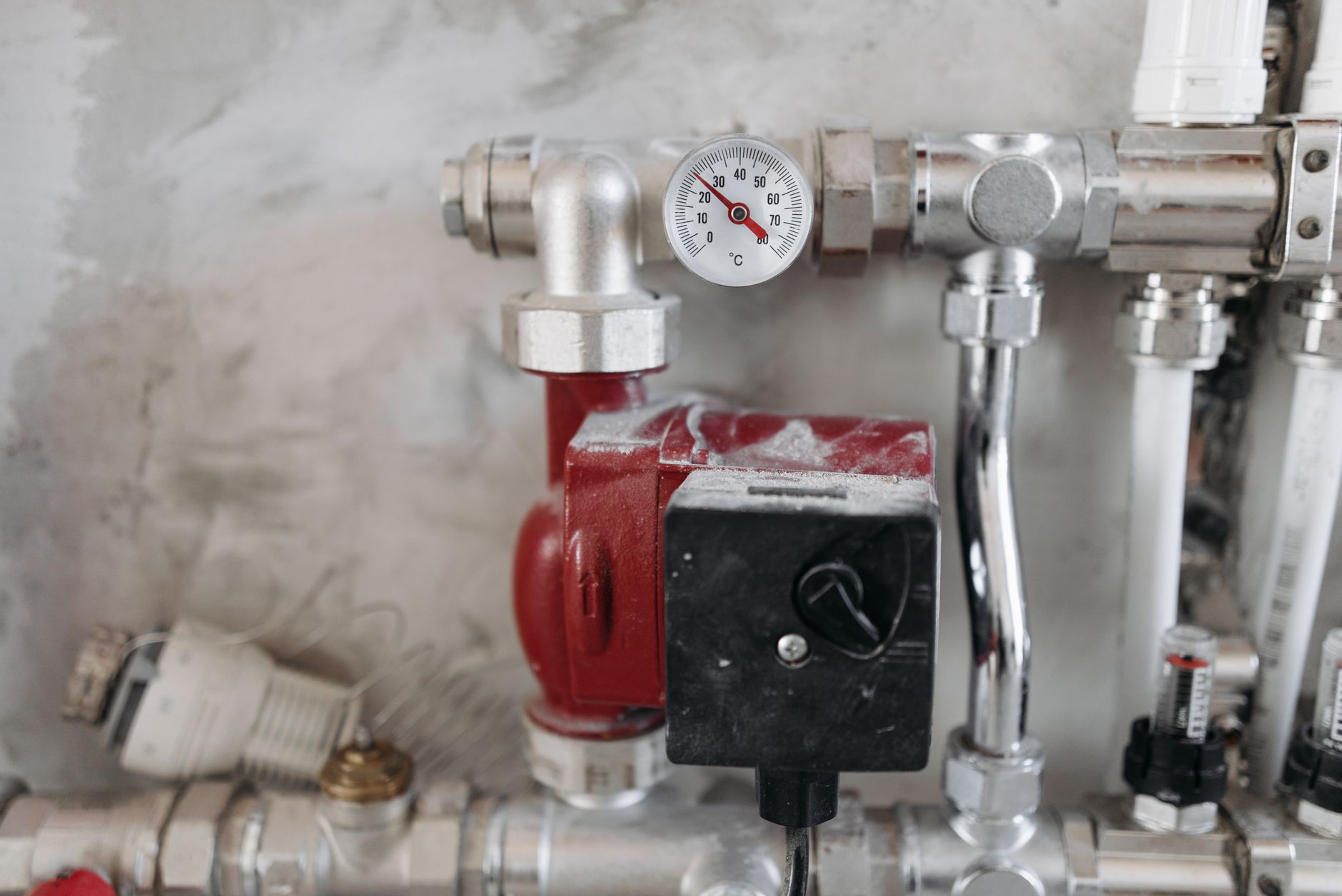
Because bacteria and nitrate are the most common contaminants of well water, they should be tested more frequently than other parameters. For total coliform and fecal coliform, the county recommends testing twice a year or after a flood or other disaster that may have impacted the well.
Owners who rent their property should be aware of a newer layer. Assembly Bill 2454 (Lee, 2024) introduces new requirements for owners of private domestic wells serving a rental property in certain areas to participate in a water testing program. Whether a specific Penngrove rental parcel falls within a qualifying program boundary is a question for the State Water Resources Control Board and an attorney, not a general article.
Yield Testing: The Dry-Weather Test
Quantity matters as much as quality. The county uses a structured dry-weather testing season to measure well yield under the most demanding conditions — late summer, when aquifers are at their lowest.
The dry weather testing season for well pump tests (well yields) is usually from July 15 to October 1 of each year. Shallow wells — those 50 feet or less — must complete testing before October 1. Deep wells get more flexibility: for wells greater than 50 feet, the dry weather testing season may be extended beyond October 1 up until the county-wide average rainfall reaches between five and six inches.
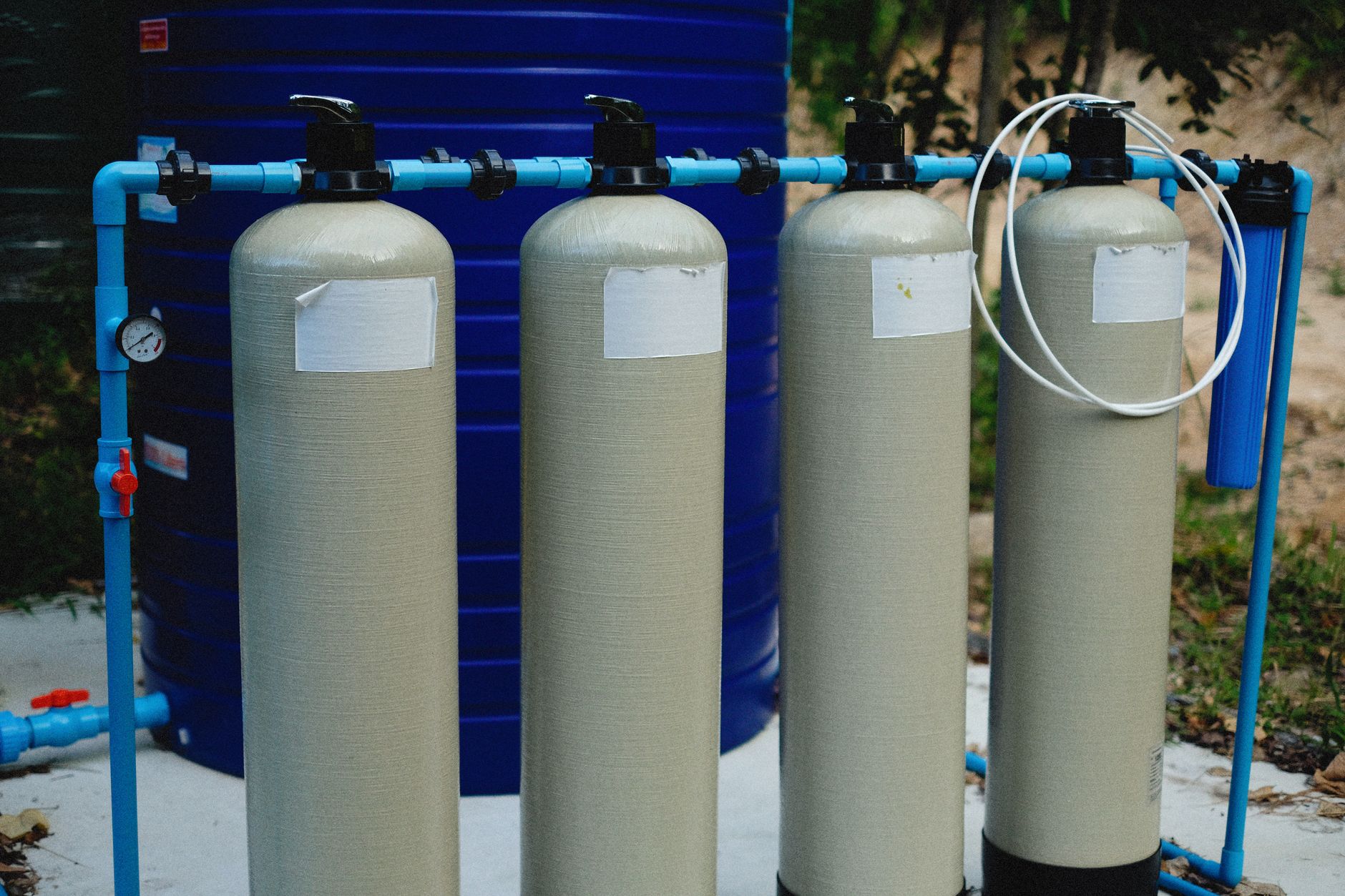
The yield standard for building-permit purposes is specific: the testing must demonstrate a sustained yield of one gallon per minute per dwelling from a well, spring, or multiple wells or springs combined. Recovery matters too — the well's percent recovery must be 90% or greater within a 72-hour period.
Who can run the test matters. Pump tests must be performed by or under the direction of a licensed water well drilling contractor (C57), pumping contractor (C61/D21), a registered civil engineer, or a registered geologist, who must report results to Permit Sonoma. Persons not authorized to conduct a pump test — such as property owners or real estate agents — shall not conduct the pump test. A permit is required in advance; form WLS-006 starts that process.
Sonoma County Code, Sections 7-12, 25-17, 25-56, and 26-88-060H, require dry weather well testing for issuance of building permits for new dwellings located in marginal or scarce water zones. Check the county's Groundwater Availability Boundary Map to see which class applies to a specific parcel — Class 3 (marginal) and Class 4 (scarce) trigger testing requirements.
The Permit Picture Right Now
There is an active legal situation any Penngrove owner planning new well work needs to understand. A Superior Court order served December 17, 2024 required Sonoma County to suspend all non-emergency water well permitting based on concerns about the Public Trust Doctrine. On March 27, 2025, the Court of Appeal for the First District in California granted Sonoma County a temporary stay in the Russian Riverkeeper & California Coastkeeper vs. County of Sonoma decision. Without the extended stay, the county would have been prohibited from issuing non-emergency water well permits; if the Court of Appeal modifies or lifts the temporary stay, the county will alert the public.
For owners with existing wells, this litigation does not affect routine maintenance, pump replacement, or water quality testing — only the permitting of new or replacement well construction. Anyone considering new well work should check Permit Sonoma's Well Ordinance Update page before planning anything.
What Lenders and Inspectors Will Ask
A well-served property in a transaction will almost always face water-related questions. The specifics vary by loan type, lender, and what the inspector flags, but here is what comes up consistently:
Water quality test. For FHA mortgage insurance, well water must be tested in accordance with the latest local and state drinking water regulations for private wells, including all microbiological and chemical test parameters. The water sample must be tested by a state-certified private laboratory. Conventional lenders vary — some require a test, some defer to the buyer's inspector — so the buyer's lender is the right place to get that answer before opening escrow.
Yield documentation. Lenders financing a property in a water-scarce or marginal zone may ask for the well completion report and prior pump test results. The California Department of Water Resources maintains a Well Completion Report database where driller logs are filed. Knowing what is on record for your well before a buyer's lender asks is straightforward due diligence.
Separation distances. FHA recognizes state and local distance requirements between a domestic well and a septic tank drain field, provided they do not allow for less than 75 feet of separation. On smaller lots this can be a real constraint; on Penngrove's typical acre-plus parcels it is usually not a problem, but the inspector will look.
Rental properties. If the property serves a rental unit, the AB 2454 testing requirements noted above may apply. A real estate attorney can advise whether and how those obligations transfer at sale.
Ongoing Owner Responsibilities
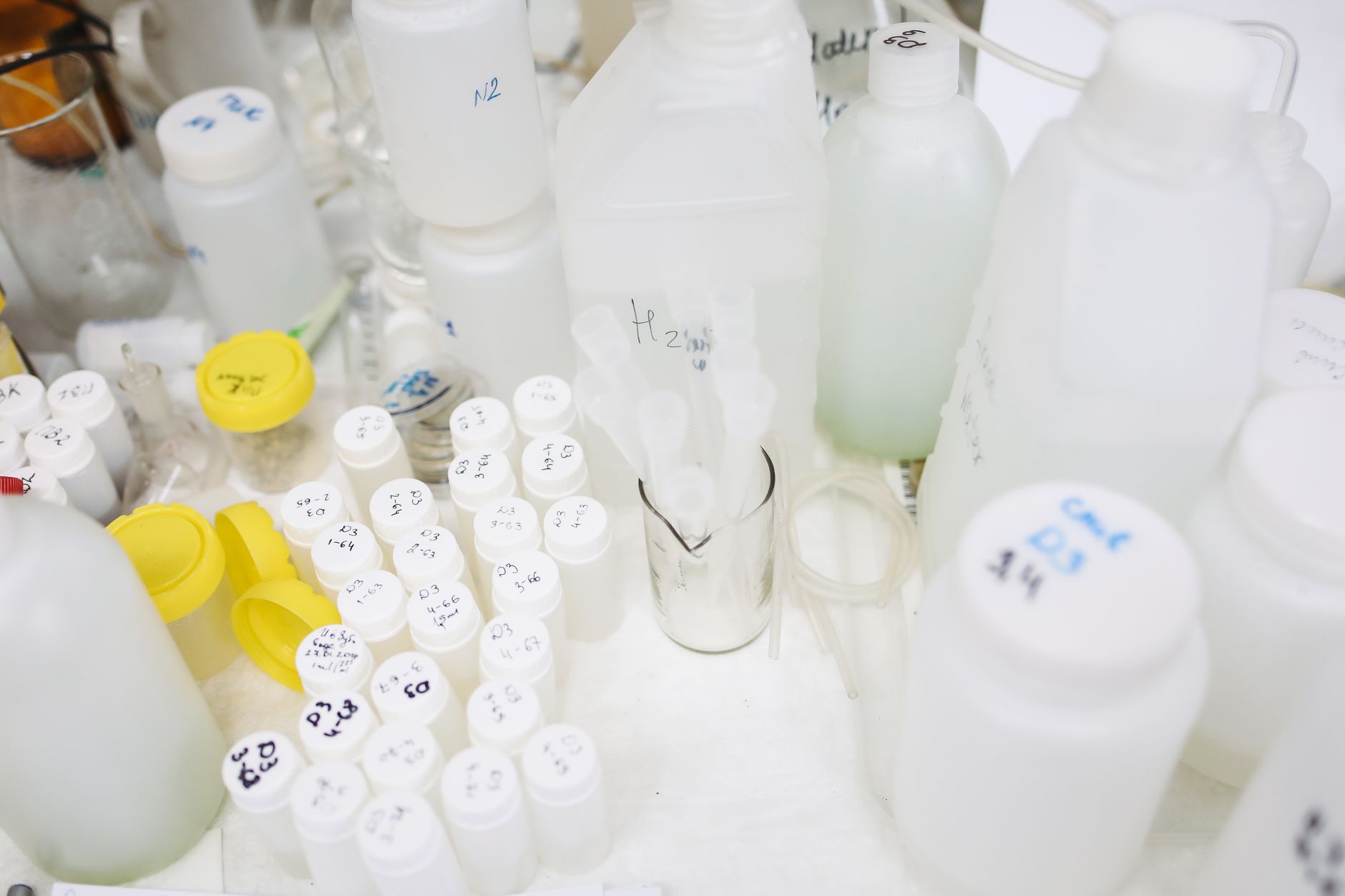
The county's 2023 well ordinance update added conservation requirements that attach to well permits. Water well permits — except public water wells and injection wells — require implementation of water conservation and best management practices, specified in Sonoma County Code Section 25B-13. Level 1 water conservation requirements apply county-wide and are considered effective low-cost water efficiency measures. These include things like a leak and conservation self-audit and landscape limits.
Wells that are defective or no longer being used must be properly destroyed to ensure groundwater aquifers are protected and preserved for current and future uses. A decommissioned well left open on a Penngrove property is not just a liability — it is a code violation. Well abandonment and destruction work must comply with Sonoma County Code Section 25B-7. Permit Sonoma issues destruction permits for this work.
For PFAS — the class of industrial compounds that have turned up in some private wells — private well owners interested in PFAS testing may wish to work with experienced environmental professionals or trained sample collectors, because sampling procedures require care to avoid contamination of the sample itself.
Where to Check
- Permit Sonoma – Water Wells: County well rules, dry weather testing requirements, and permit applications under Chapter 25B.
- Permit Sonoma – Dry Weather Well Testing: Season dates, yield standards, the Groundwater Availability Boundary Map, and WLS-010 certification form.
- Permit Sonoma – Well Ordinance Update: Current status of the ongoing litigation and the temporary stay on non-emergency well permits.
- Permit Sonoma – Water Conservation Requirements: Level 1 and Level 2 conservation requirements that attach to well permits under Sonoma County Code Section 25B-13.
- Sonoma County Environmental Health – Well Water Testing: ELAP-accredited labs, recommended testing frequencies, and PFAS guidance.
- California State Water Resources Control Board – AB 2454 Rental Well Testing: Rental property well testing requirements and program boundaries.
Jake Taylor · CA DRE #02070119
[email protected] · (707) 630-1001
- https://permitsonoma.org/divisions/engineeringandconstruction/wellandsepticsystems/waterwells
- https://permitsonoma.org/divisions/engineeringandconstruction/wellandsepticsystems/waterwells/dryweathertesting
- https://permitsonoma.org/wellordinanceupdate
- https://permitsonoma.org/water-conservation
- https://permitsonoma.org/Microsites/Permit%20Sonoma/Documents/Policies%20and%20Procedures/9-0%20Engineering%20and%20Construction/9-2-28_Well_Pump_Test_Guidelines_Water_Scarce.pdf
- https://sonomacounty.ca.gov/health-and-human-services/health-services/divisions/public-health/environmental-health-and-safety/programs-and-services/well-water-quality/well-water-water-testing
- https://sonomacounty.ca.gov/Health/Environmental-Health/Water-Quality/Well-Water-Quality/
- https://waterboards.ca.gov/drinking_water/certlic/drinkingwater/private-domestic-well-testing.html
- https://www.hud.gov/sites/documents/doc_16735.txt
- https://www.hud.gov/sites/documents/doc_16736.doc
More from Penngrove
Clean Your Gutters Before October: A Penngrove Pre-Rain Checklist
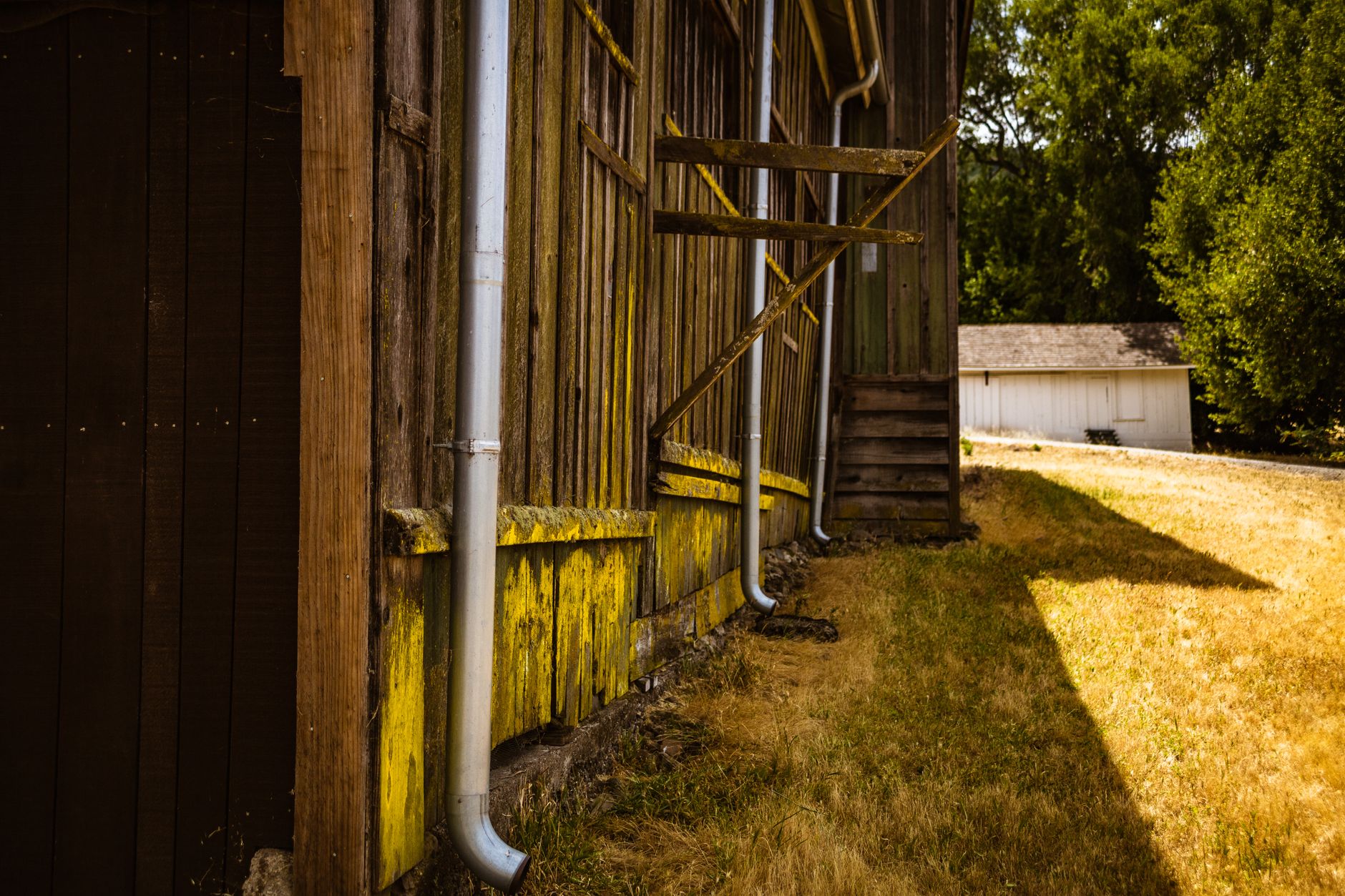
More than half of Penngrove's homes were built before 1980, and many sit on lots over an acre with mature trees overhead. September is the right month to get the gutters clear before the first storm does it for you.
What Your Penngrove Parcel Actually Allows: Reading Sonoma County Zoning
Penngrove is unincorporated, so every land-use question goes to Permit Sonoma, not a city hall. Here is how the county's zoning system works and what it means for the 327 single-family parcels here that sit on an acre or more.
Penngrove's Fire Zone Map Just Changed. Here's What It Means for Your Parcel.
CAL FIRE released updated fire hazard severity zone maps for unincorporated areas in early 2025, replacing maps that were 15 to 18 years old. For Penngrove—where most lots are an acre or larger and most homes predate 1980—the zone your parcel lands in now carries real building and disclosure consequences.