Clean Your Gutters Before October: A Penngrove Pre-Rain Checklist
Why September, and Why Here
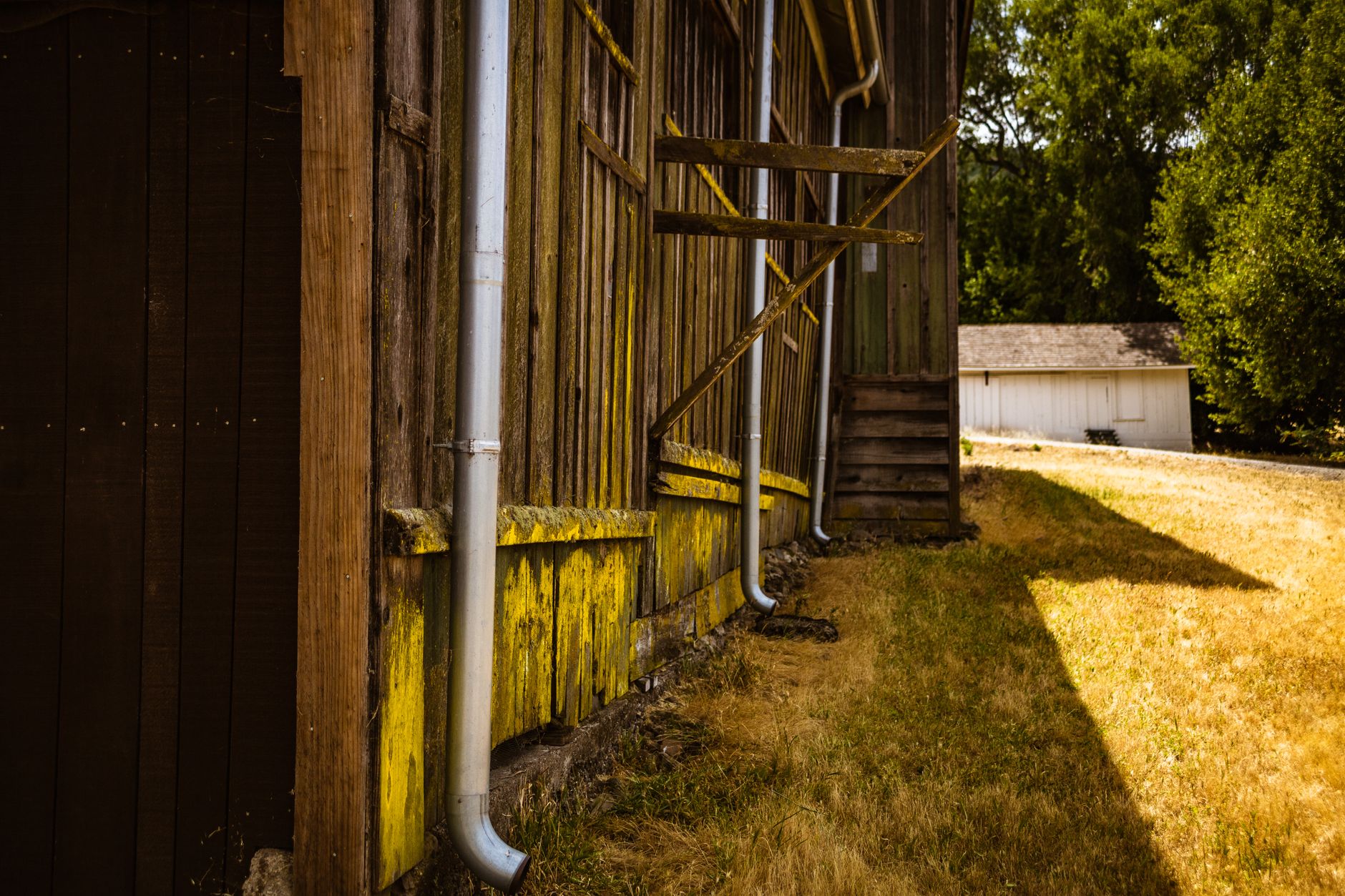
Of the 678 Penngrove parcels with a known build year, 424 were built before 1980. Many of those homes carry original or near-original gutter systems — sectional aluminum or painted steel — that were installed when the trees on the lot were saplings. Those trees are not saplings anymore. Among the 500 single-family parcels in the local record, 327 sit on an acre or more, which typically means a canopy, and a canopy means leaf fall, seed pods, and debris that travel.
Sonoma County's first meaningful rain can arrive anywhere from late September to November. When it arrives after a long dry summer, gutters that spent six months collecting dust, dried oak leaves, and bay laurel debris become small dams. Water backs up under the roofline or overflows at the fascia. Neither outcome is cheap to deal with afterward.
Clean them before the water does it for you.
Penngrove's homes, from the record
| Built | Homes |
|---|---|
| before 1940 | 150 |
| 1940-1959 | 76 |
| 1960-1979 | 198 |
| 1980-1999 | 144 |
| 2000 or later | 110 |
| Single-family homes | 500 |
|---|---|
| Median lot | 49,222 sq ft |
| On an acre or more | 327 |
| Median size | 1,920 sq ft |
678 of 756 parcels in this market's record have a known build year.
What to Clear
The obvious items are leaves and twigs. The less obvious ones take a few extra minutes:
- Roof granules. Older composition roofs shed granules steadily. They pack into gutter seams and block outlets more effectively than leaves do. A dark, gritty sludge at the low end of a run is the sign.
- Shingle debris and moss. Roofs that face north or stay shaded hold moisture, and moss breaks off in chunks that wedge into downspout elbows.
- Dried seed pods and bay nuts. Bay laurel drops through summer and fall. The nuts are small enough to pass through screens but large enough to lodge in a downspout bend.
- Wasp and bird nests. Check corners and downspout tops. A blocked downspout from a nest is easy to miss until water is running behind the fascia.
Flush each gutter run with a hose after clearing. Stand where you can see the downspout outlet and watch the water exit. A slow drain means something is lodged in the elbow or the underground section, if one exists.

What to Look At While You Are Up There
You are already on a ladder or the roof edge. Take five minutes.
Gutter hangers and seams. Hangers pull away from fascia over time, especially on older sectional gutters. A sag in the middle of a run means water will pool there rather than drain. Press lightly on the gutter where it meets the fascia — if it flexes noticeably or the hanger is missing, note it for a licensed contractor before rain season.
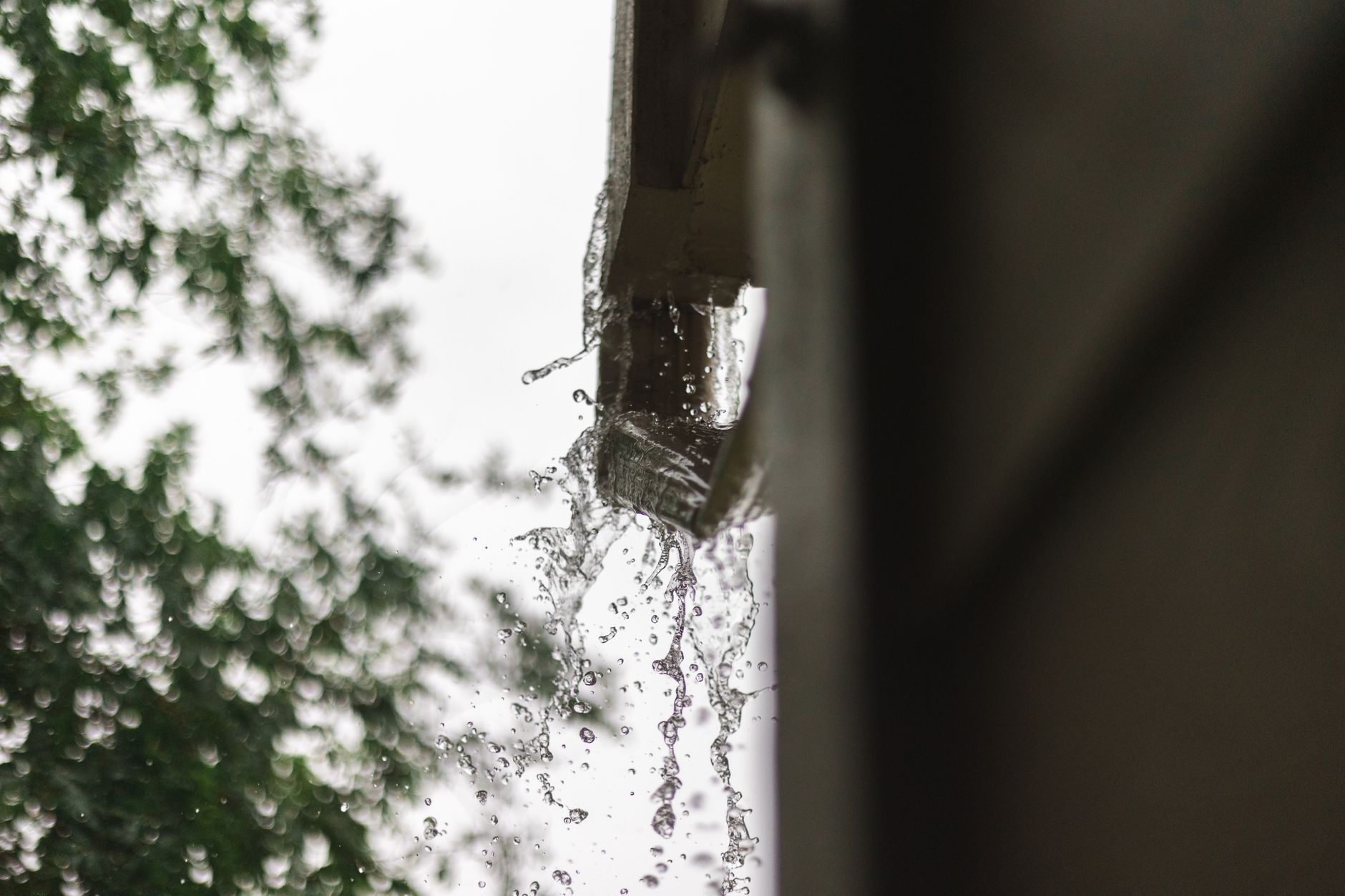
End caps and sealant. The sealant at inside corners and end caps dries out and cracks. A small drip from a seam during a rain becomes a rot problem at the fascia and soffit over years, particularly on homes built with older wood fascia boards.
The fascia itself. Look for soft spots, paint bubbling, or discoloration directly behind the gutter. That is water that has already been getting behind the gutter. Probe with a screwdriver if you can reach it; if the wood gives, a contractor needs to assess the extent before you seal anything on top.
Roof flashing at valleys and penetrations. Not a gutter item, but visible from the same vantage point. Lifted or rusted flashing at a chimney or valley is the kind of thing you notice in September and are glad you caught before January.
Where Downspout Water Should End Up
This part matters more on Penngrove's large lots than it does in a subdivision with city storm drains.
The water leaving a downspout needs to travel away from the foundation, not along it. A splash block directs the first few feet. Beyond that, the grade of the ground does the work — or does not, if the soil has settled toward the house over the years.
On lots with well systems or septic systems, where the discharge ends up matters. Concentrated runoff from several downspouts directed at a single low spot can saturate soil, affect drainage fields, or pond against a foundation stem wall. If your lot drains toward a creek or seasonal watercourse, Sonoma County's rules on what can and cannot discharge to those areas apply. For specifics on grading, drainage alterations, or any work that changes how water leaves your property, Permit Sonoma is the right office to contact before you start.
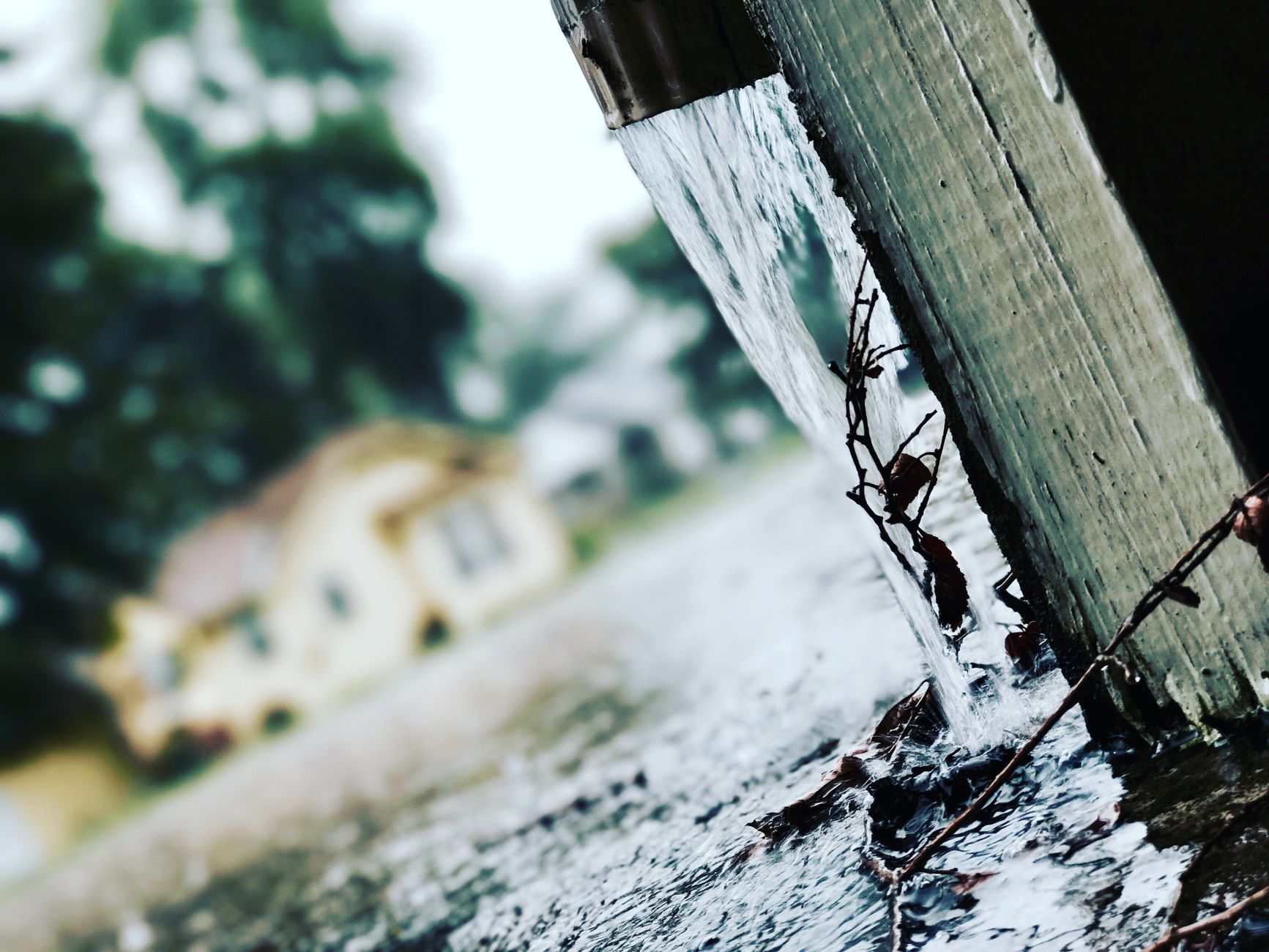
A downspout extension — even an inexpensive roll-out type — pointed toward a lawn or planted area rather than a bare soil slope is a reasonable first step. If you are thinking about an underground drain line or a dry well, have a licensed contractor assess the soil and the existing drainage pattern first.
One Practical Order of Operations
- Clear gutters and flush with a hose.
- Watch the downspout outlets while flushing — confirm water exits freely.
- Check hangers, seams, and end caps for gaps or sag.
- Check the fascia behind the gutter for soft wood.
- Note anything that needs repair, and get a contractor to look at it before October.
September is not the romantic part of homeownership. It is the part that keeps the rest of it from getting complicated.
Jake Taylor · CA DRE #02070119
[email protected] · (707) 630-1001
More from Penngrove
What Your Penngrove Parcel Actually Allows: Reading Sonoma County Zoning
Penngrove is unincorporated, so every land-use question goes to Permit Sonoma, not a city hall. Here is how the county's zoning system works and what it means for the 327 single-family parcels here that sit on an acre or more.

Penngrove's Fire Zone Map Just Changed. Here's What It Means for Your Parcel.
CAL FIRE released updated fire hazard severity zone maps for unincorporated areas in early 2025, replacing maps that were 15 to 18 years old. For Penngrove—where most lots are an acre or larger and most homes predate 1980—the zone your parcel lands in now carries real building and disclosure consequences.
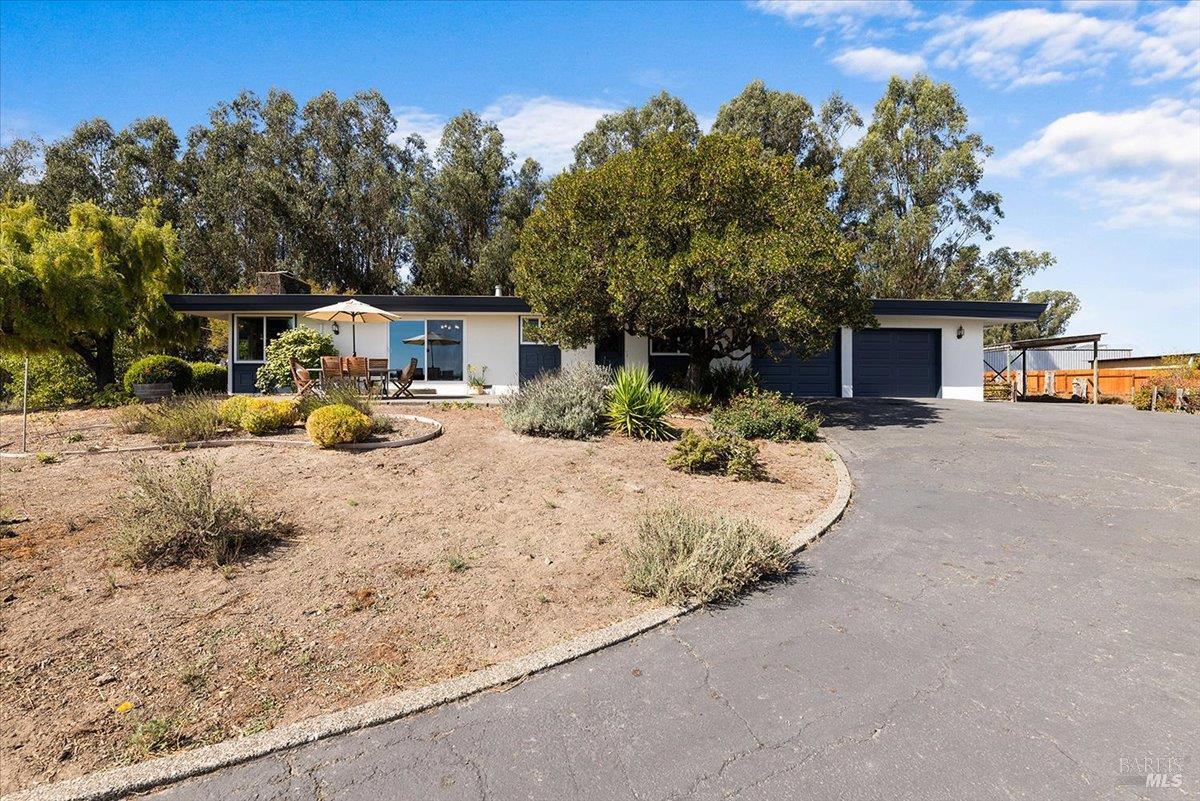
One home hit the Penngrove MLS on September 28
920 Goodwin Avenue came on at $1,200,000, making it the sole activity in Penngrove on September 28. Four single-family sales in the prior 180 days give some context for where it sits.