425 Penngrove Homes Were Built Before Fire Safety Rules Existed
Why this matters in Penngrove
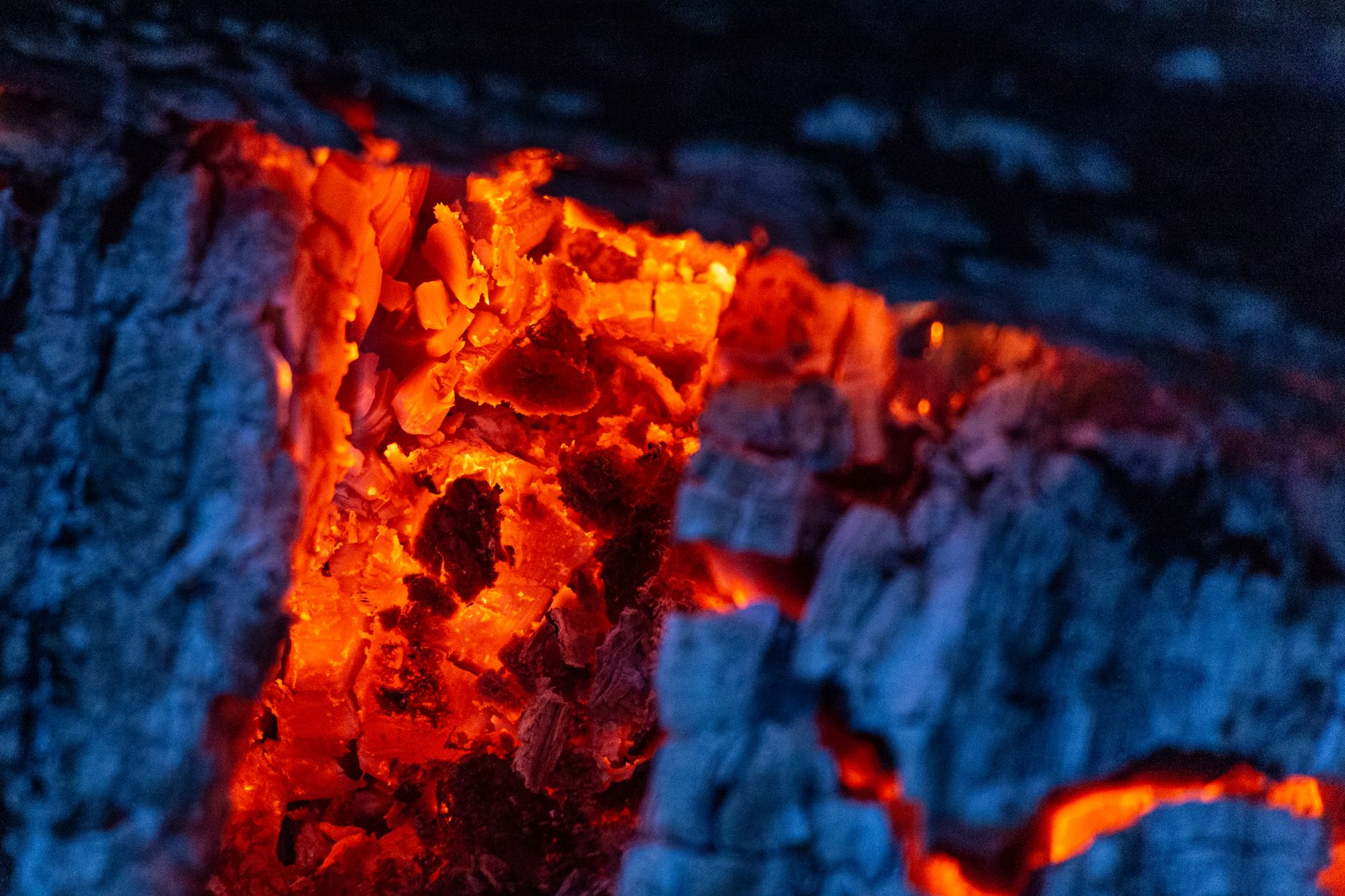
Of the 679 parcels in this market's records with a known build date, 425 were built before 1980—before California's Wildland-Urban Interface (WUI) building standards existed. The median lot covers just over an acre, which means most houses sit inside a substantial vegetated buffer. That is good for privacy and bad for ember exposure. According to the Institute for Business and Home Safety (IBHS), up to 90 percent of home loss in wildfires is due to embers and not the main wildland fire front. This is a houses-built-in-the-1960s-and-1970s problem, and Penngrove has a lot of those houses.
Penngrove is unincorporated, which means building permits and fire rules run through Permit Sonoma—not a city building department. Check the county's own pages before beginning any permitted work.
Penngrove's homes, from the record
| Built | Homes |
|---|---|
| before 1940 | 150 |
| 1940-1959 | 76 |
| 1960-1979 | 199 |
| 1980-1999 | 144 |
| 2000 or later | 110 |
| Single-family homes | 501 |
|---|---|
| Median lot | 49,222 sq ft |
| On an acre or more | 328 |
| Median size | 1,924 sq ft |
679 of 757 parcels in this market's record have a known build year.
Start with the vents
Vents are the fastest route from ember to interior. Windblown embers cause 80 percent of home ignitions from wildfire. Ranging from the size of a grain of rice to a dinner plate, embers can blow into the building through openings like vents and ignite items inside.
Vents constructed of flammable materials such as plastic are highly vulnerable to embers and flames. Attic and underfloor vents with openings larger than 1/8 inch are susceptible to embers. That describes most vents on pre-1980 California houses.
The state's guidance is specific: for fire protection, it is recommended to replace them with California State Fire Marshal-approved flame and ember-resistant vents (State Fire Marshal Listed WUI Products Handbook) or cover them with noncombustible, corrosion-resistant metal mesh between 1/16 and 1/8 inch in diameter. The OSFM's WUI Products Handbook is updated regularly—use the current version to confirm which products are listed. Permit Sonoma notes that the 2025 California Building Code cycle, effective January 1, 2026, requires fire-rated, ember-resistant vents for new construction and certain remodels in high-risk zones.
One caution: these fire protection modifications may reduce airflow and ventilation to attics and underfloor spaces. A licensed contractor or your building official at Permit Sonoma can help you meet both the fire standard and the ventilation requirement before you order anything.
Gutters next
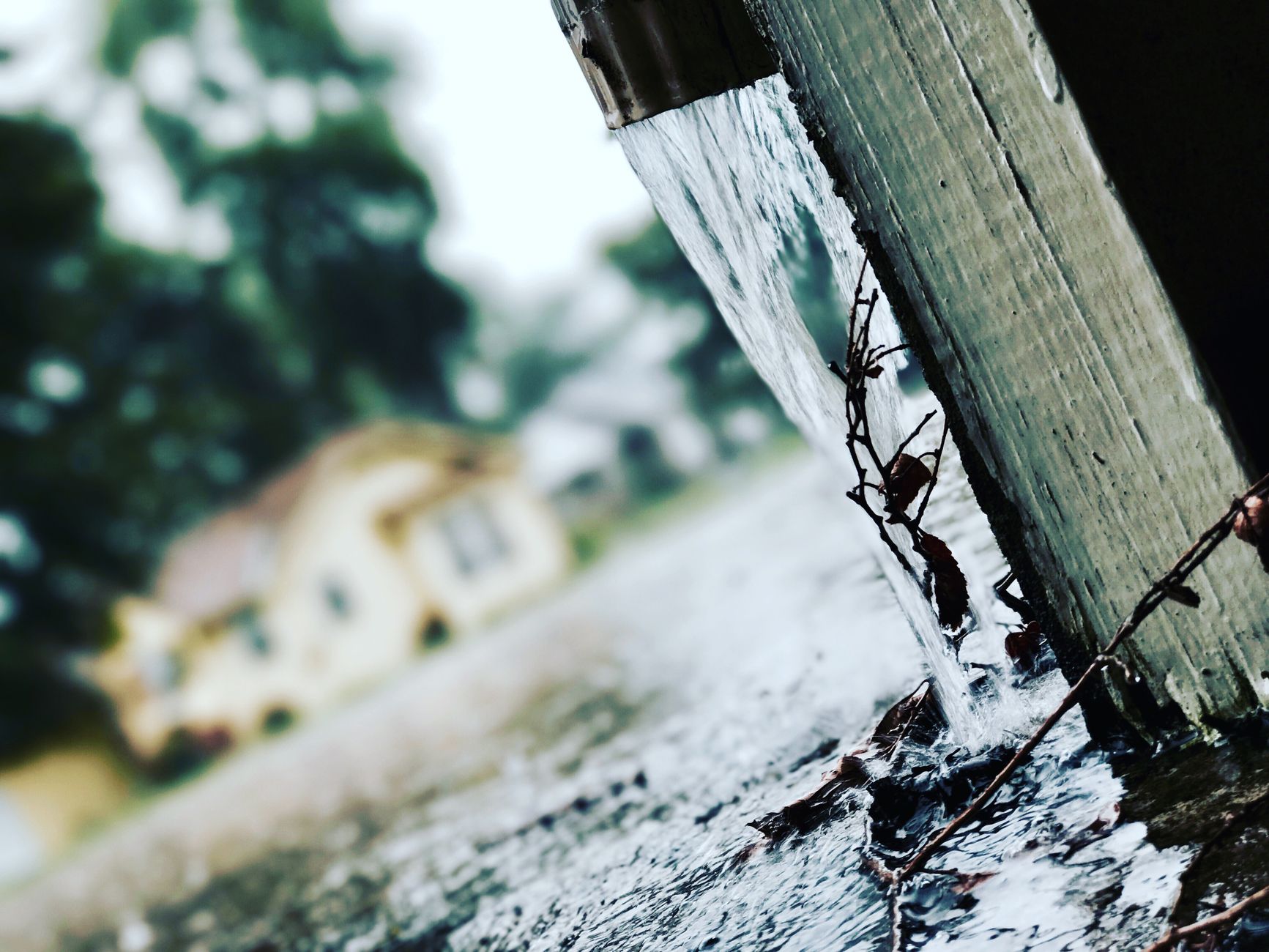
Leaf litter in a gutter is fuel sitting directly above your roofline. Gutters without a cover can allow accumulation of debris, making them highly susceptible to embers and fire. If the debris catches on fire, it exposes unprotected combustible areas of your roof assembly. On a wooded acre lot in Penngrove, gutters fill up every fall.
Gutters are a high-priority area. Install noncombustible gutters with gutter covers and keep gutters free of combustible debris. CAL FIRE's guidance also calls for ensuring your roof has a metal drip edge installed that completely covers the space above your gutter system. Gutters made of combustible materials such as vinyl can catch on fire and expose unprotected combustible areas of your roof assembly. At a minimum, install a noncombustible gutter cover to reduce the buildup of debris. When it is time to replace your gutters, replace them with a noncombustible option such as metal.
Clearing gutters is maintenance any owner can handle on a schedule. Replacing them with metal and adding covers is a project for a licensed contractor.
Decks: the platform problem
Embers can directly ignite deck boards. If attached decks ignite, homes can be exposed to direct flames and radiant heat. Create an ember-resistant zone under and around decks.
CAL FIRE's home-hardening guidance addresses each component:
- Replace any damaged or rotting deck boards, as they ignite more easily.
- Install a minimum of a 6-inch metal flashing applied vertically on the exterior wall and at deck-to-wall intersections.
- If a full replacement of your deck is not possible, consider a partial replacement by replacing the walking surface boards with a noncombustible option for the first 1 foot away from the residence.
- Remove combustible items stored under your deck. Regularly clear debris on top of or underneath your deck.
- Decks that overhang a slope can be exposed to flames from trees or other vegetation downslope—a real concern on the hillier parcels at the edges of Penngrove.
- Lattice or other combustible fencing used as a vertical enclosure under a deck is readily ignitable. Board it or enclose it with noncombustible material.
Deck replacement or structural modification may require a building permit from Permit Sonoma. Check before building.
Fences: the wick to the wall
Fences, especially when attached to your home, can provide a direct fire pathway if ignited. A wood fence running from a gate straight to the siding is a fuse.
CAL FIRE's guidance on what to do is direct: replace attached combustible fencing or gates with a noncombustible option for the first 8 feet. Parallel combustible fences on a property should be at least 10 feet away from the residence. If there are two neighboring combustible fences, these should be at least 20 feet away. If closer than the recommended distances, replace with an ignition-resistant or noncombustible fencing option.
CAL FIRE's defensible space guidance for Zone 0—the 5-foot ember-resistant zone immediately around the house—also specifies: replace combustible fencing, gates, and arbors attached to the home with noncombustible alternatives.
Vegetative debris that accumulates at the base of a fence, especially climbing plants that use the fence as a trellis, adds fuel. Privacy fences are vulnerable to ignition due to the horizontal-to-vertical intersections providing a ledge and backstop where embers can accumulate and ignite. Clear the base of any fence near the house, regardless of what material it's made of.
A practical order of work
Spend money in the order that embers arrive:
- Clear and inspect — Clean gutters, sweep roof valleys, remove debris from under decks, and clear fence bases. This costs time, not money, and can be done any weekend.
- Seal openings — Seal gaps around eave blocking and any penetrations near vents. Cheap, high impact.
- Replace vents — Swap plastic or wide-mesh vents for OSFM-listed WUI vents or cover with 1/16–1/8 inch noncombustible metal mesh. Hire a licensed contractor; confirm ventilation compliance with Permit Sonoma.
- Address the fence attachment — Replace the first 8 feet of any combustible fence attached to the house with noncombustible material.
- Harden the deck — Add metal flashing at the wall junction, remove combustibles from underneath, replace rotted boards. Full deck replacement is a permitted project.
- Replace gutters — Upgrade to metal with noncombustible covers when the current gutters reach end of life.
Sonoma County's Fire Safety Ordinance and the California Building Code now both shape what's required when you pull a permit. Sonoma County adopted Fire Safety Ordinance #6396 in 2022, which references development regulations in both the State Responsibility Area (SRA) and LRA Very High Fire Hazard Severity Zones. The adopted fire hazard severity maps impact development by dictating the materials and construction methods for exterior wildfire exposure. Whether your parcel sits in a mapped fire hazard severity zone affects which rules apply to your specific project. Permit Sonoma's Fire Prevention Division can confirm your parcel's designation.
Where to check
- CAL FIRE Home Hardening — State Fire Marshal guidance on vents, gutters, decks, fences, and eaves.
- OSFM WUI Products Handbook (September 2025) — Current list of State Fire Marshal-listed ember-resistant vents and other approved WUI products.
- CAL FIRE Defensible Space — Zone 0 — Ember-resistant zone requirements including fencing rules.
- Permit Sonoma Fire Prevention — Fire Hazard Severity Zones) — Sonoma County's FHSZ maps and what they mean for your parcel and permit.
- Permit Sonoma — California Building Code Updates — What the 2025 code cycle changed for wildfire resilience in unincorporated Sonoma County.
- Sonoma County Home Resilience Guide — Home Hardening — County-level guidance on priority areas for home hardening.
- Permit Sonoma Wildfire Adapted — History of the county's free structural hardening assessment program.
Jake Taylor · CA DRE #02070119
[email protected] · (707) 630-1001
- https://www.fire.ca.gov/home-hardening
- https://www.fire.ca.gov/programs/communications/defensible-space-prc-4291
- https://sonomacounty.ca.gov/administrative-support-and-fiscal-services/county-administrators-office/climate-action-and-resiliency/publications/home-resilience-guide/home-hardening
- https://permitsonoma.org/divisions/firepreventionandhazmat/firepreventionterms
- https://permitsonoma.org/divisions/firepreventionandhazmat/firehazardseverityzones(fhsz)
- https://permitsonoma.org/sonomacountypreparesforcaliforniabuildingcodeupdates
- https://permitsonoma.org/wildfire-adapted
- https://permitsonoma.org/calfirefirehazardseveritymap
More from Penngrove
Penngrove Q3 2026: 11 Sales, $18.8M in Volume, Anchored by a $5.5M Ranch
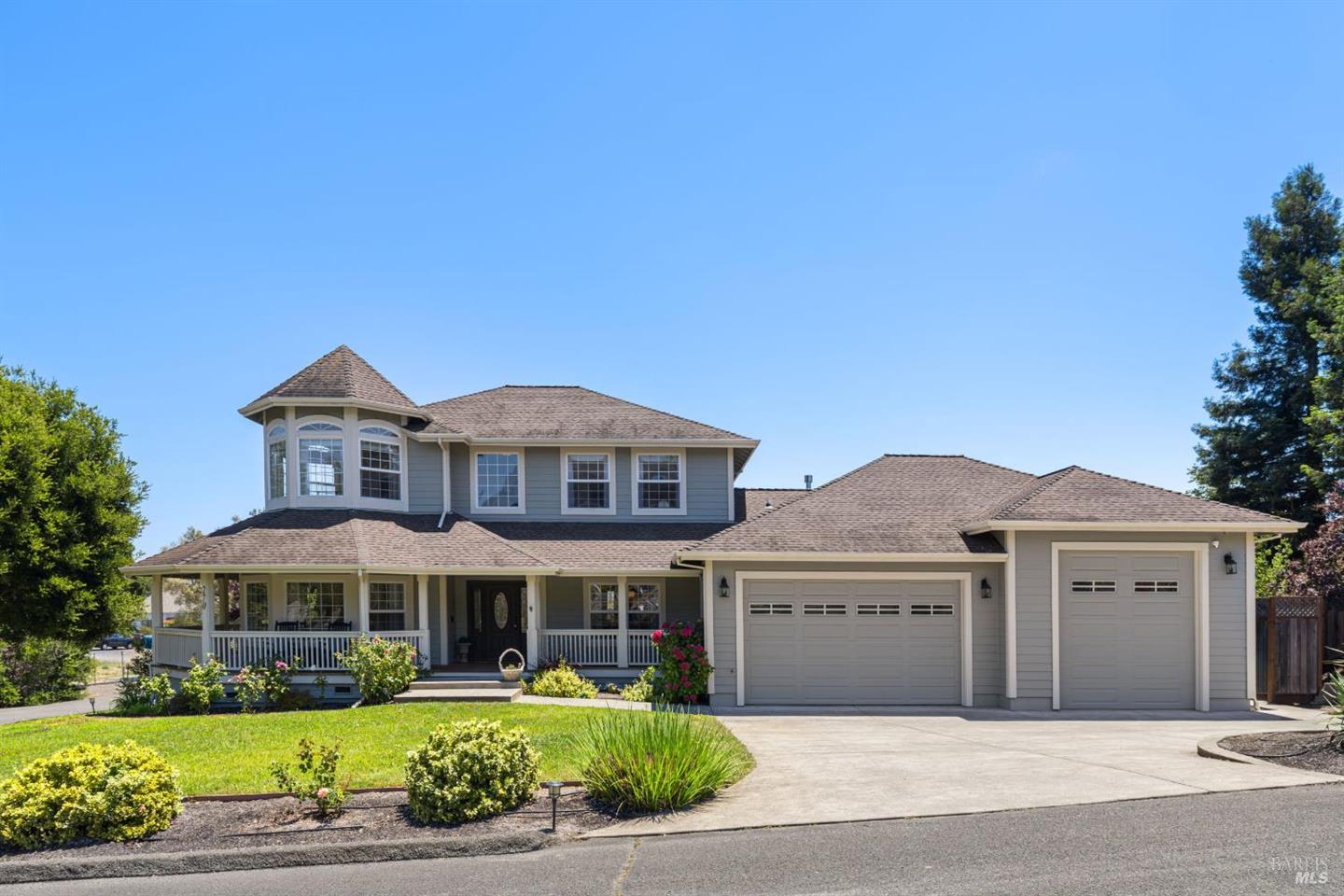
Eleven recorded sales closed between July and September 2026, a small sample that limits statistical conclusions. A single 160-acre estate at $5.5M set the ceiling while the rest of the market clustered between $1.1M and $1.6M.

Private Wells in Penngrove: What the County Requires, What Lenders Ask, and What Owners Should Know
More than 300 single-family lots in Penngrove sit on an acre or more, and most of them rely on a private well. Here is what the county requires, what lenders will ask, and how to stay ahead of it.
Clean Your Gutters Before October: A Penngrove Pre-Rain Checklist
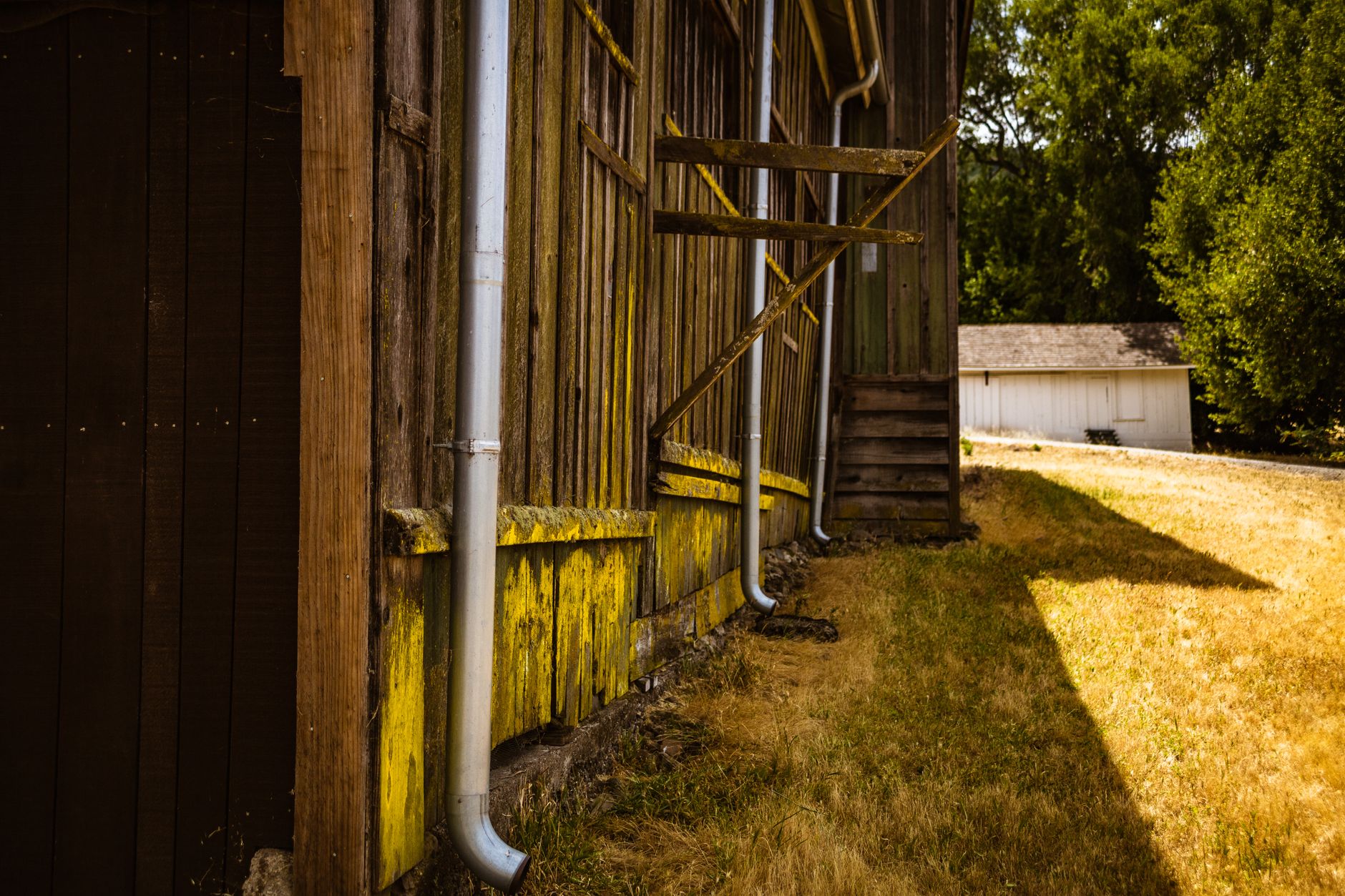
More than half of Penngrove's homes were built before 1980, and many sit on lots over an acre with mature trees overhead. September is the right month to get the gutters clear before the first storm does it for you.